The Hidden Dangers of Traditional Insulation (and the Healthier Alternatives)

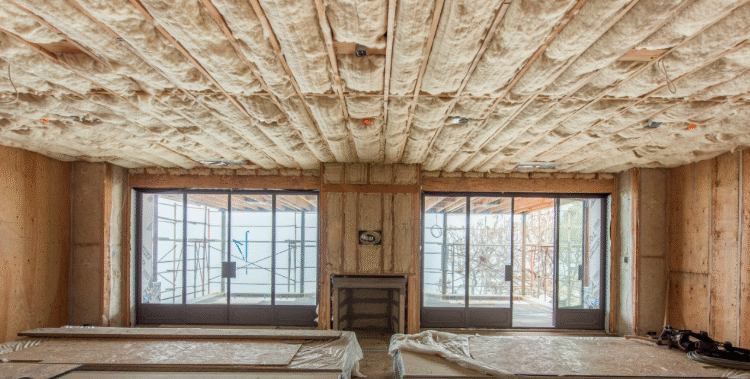
When most people think about insulation, they picture comfort — warm winters, cool summers, and lower energy bills. But what many homeowners don’t realize is that traditional insulation materials may come with unseen risks that can affect both health and the environment. From chemical emissions to poor air quality, what’s hidden behind your walls could be doing more harm than good.
As awareness about sustainable building grows, more people are seeking safer, non-toxic alternatives that protect their families and the planet without sacrificing performance.
The Hidden Hazards of Conventional Insulation
Traditional insulation options like fiberglass, spray foam, and mineral wool are effective at thermal regulation, but their composition often includes synthetic chemicals, microplastics, and volatile organic compounds (VOCs). Over time, these materials can release airborne particles or gases that degrade indoor air quality and irritate the lungs, eyes, or skin.
Some spray foams, for instance, contain isocyanates — known respiratory irritants that can trigger asthma or allergic reactions. Others use formaldehyde-based binders, a chemical linked to long-term health concerns when inhaled in poorly ventilated spaces.
Fiberglass, though common, can cause skin and respiratory irritation during installation, and small fibers may linger in the air afterward. Over time, these materials can also lose effectiveness if they absorb moisture or degrade, leading to mold growth and further air quality issues.
A Healthier Way Forward
Fortunately, homeowners today have access to a new generation of eco-friendly insulation materials that deliver the same — or better — performance without the toxic side effects.
- Cellulose Insulation: Made from recycled paper and treated with non-toxic fire retardants, cellulose is safe, sustainable, and excellent at soundproofing.
- Sheep’s Wool: Naturally antimicrobial, moisture-resistant, and biodegradable, wool regulates indoor humidity and absorbs pollutants from the air.
- Cork and Hemp Insulation: Renewable and chemical-free, these materials provide superb thermal performance and help maintain a healthy living environment.
- Cotton (Recycled Denim): Made from repurposed textiles, it’s soft, safe to handle, and contributes to waste reduction.
These materials are not only better for your family’s health — they’re also better for the planet. They require less energy to produce, emit fewer greenhouse gases, and can often be composted or recycled at the end of their life cycle.
Why Healthier Insulation Is the Future?
Choosing safer insulation is about more than comfort — it’s about wellness and sustainability. As homes become more airtight for energy efficiency, air quality becomes even more important. Using non-toxic insulation helps ensure the air you breathe every day is clean and free from harmful emissions.
By investing in healthier materials, homeowners can create spaces that support well-being, reduce environmental impact, and stand as models for sustainable living.
This post was written by a professional at Eco Elite Insulation. At Eco Elite Insulation, we specialize in attic insulation removal, replacement, and upgrades that keep your home energy efficient and comfortable year-round. Contaminated or outdated insulation from pests or poor sealing can increase energy bills and harm air quality. Our experts use safe, non-toxic insulation to improve comfort, reduce heating and cooling costs, and create healthier living spaces. Serving McKinney, Plano, Frisco, Dallas, Fort Worth, and surrounding areas, we focus on attic renovations that protect your home and lower electricity bills.