Key Factors to Consider Before Buying Louver, Casement, and Sliding Windows

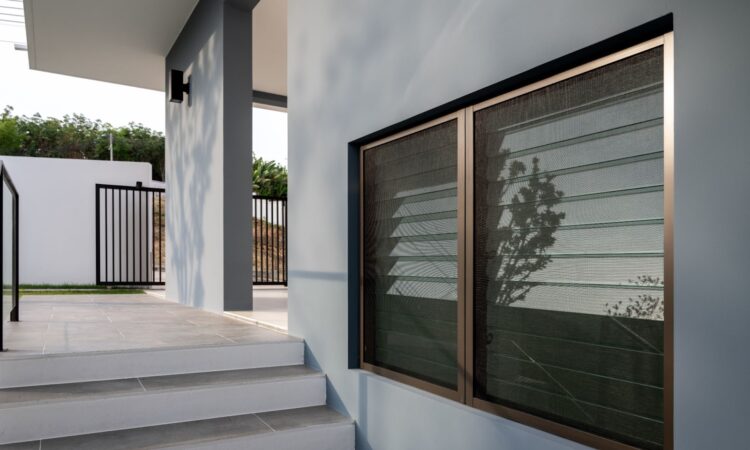
When it comes to replacing your windows or upgrading your home’s design, choosing the right window style is one of the most critical decisions. Louver, casement, and sliding windows each have distinctive features and advantages, making them suitable for specific spaces and needs. However, among these options, aluminum casement windows stand out as a popular, versatile choice for homeowners.
In this blog, we’ll explore the key factors to consider before purchasing any window type, with a special focus on casement windows. By understanding your options, you can choose the perfect windows to enhance your home’s functionality, energy efficiency, and aesthetic appeal.
What Are Casement Windows?
Casement windows, hinged at the side, swing open like a door. They are operated by a crank or lever mechanism and are known for their energy efficiency, excellent ventilation, and sleek appearance.
Unique Features of Casement Windows:
Excellent Seal: Tight weatherproof seal when closed.
Maximum Ventilation: Swinging design catches cross breezes effectively.
Unobstructed Views: Large glass panes allow for uninterrupted sightlines.
Stylish Design: Works well in both traditional and contemporary settings.
While they offer many benefits, there are several factors to evaluate before choosing casement windows.
Key Factors to Consider Before Buying Casement Windows
1. Location and Functional Needs
Where you plan to install your casement windows determines whether they are the right fit.
Great For:
Kitchens: Easy to operate, even if placed above counters or sinks.
Living Rooms: Provide excellent natural light and ventilation.
Small Spaces: Ideal where maximum ventilation or a larger opening is needed.
Not Suitable For:
Areas with obstructed spaces: Since casement windows swing outwards (or in rare cases inwards), they require clearance outside the window. This makes them challenging for installation near walkways, patios, or spaces with landscaping concerns.
Tip: If you’re installing casement windows in limited spaces, opt for inward-opening designs or explore alternative options like sliding windows, which don’t require additional clearance.
2. Material Choices
The choice of material for your casement windows influences their durability, maintenance, and cost.
Wood:
Pros: Luxurious, traditional appearance.
Cons: Requires regular maintenance to prevent rot and warping.
Ideal For: Classic homes and high-end aesthetics.
Vinyl:
Pros: Affordable, energy-efficient, low-maintenance.
Cons: Limited color options and customization.
Ideal For: Budget-friendly modern builds.
Aluminum:
Pros: Lightweight, sleek, and durable.
Cons: Poor insulation unless outfitted with a thermal break.
Ideal For: Contemporary and minimalist designs.
Fiberglass:
Pros: Extremely durable, energy-efficient, and weather-resistant.
Cons: Higher upfront cost.
Ideal For: Homes in extreme climates.
3. Glass Options and Efficiency
The glass you choose for casement windows affects not just aesthetics but also energy efficiency and comfort.
Single-Pane:
Pros: Cheapest option.
Cons: Poor insulation, not energy-efficient.
Best For: Non-climate-controlled spaces like garages.
Double or Triple-Pane:
Pros: Better insulation, reduced noise, and increased energy savings.
Cons: Higher upfront cost, but cost-effective over time.
Best For: Homes in regions with fluctuating or extreme temperatures.
Low-E Glass:
Pros: Reflects heat and blocks UV rays, keeping interiors cooler.
Cons: Slightly higher cost.
Best For: Areas with intense sunlight or varying seasonal temperatures.
Tempered Glass:
Pros: Shatter-resistant, increases safety.
Best For: Family homes and areas prone to storms.
4. Energy Efficiency
Casement windows are known for their energy efficiency because their sash presses tightly against the frame when closed, preventing drafts. To maximize energy efficiency:
Look for ENERGY STAR-certified windows.
Choose frames with good insulation (e.g., wood, fiberglass, or vinyl).
Opt for double-pane or triple-pane glass combined with gas fillings like Argon or Krypton for better thermal performance.
5. Hardware and Operating Mechanisms
The ease of operation is a major advantage of casement windows, but it also depends on high-quality hardware.
Cranks and Levers:
Check for durable, easy-to-use crank mechanisms. Stainless steel and rust-resistant materials are recommended.
Multi-Point Locking Systems:
Casement windows often feature multi-point locks, making them a secure choice. Ensure the locking system is smooth and provides a tight seal.
Hidden Hinges:
Opt for designs with hidden hinges to create a sleek finish if aesthetics are a priority.
6. Costs and Budget
Casement windows are slightly more expensive than sliding or louver windows due to their advanced design and hardware.
Cost Range: $300–$1,000 per window, depending on material, size, and additional features.
Additional Costs: Factor in installation, especially for multiple or custom-sized windows.
Savings Tip: Choose budget-friendly materials like vinyl and standard sizes whenever possible.
7. Aesthetic Compatibility
Casement windows offer a clean, modern look but can be customized for many styles. Consider the design of your home:
For Traditional Homes: Choose wooden frames with divided-light grids to maintain a classic feel.
For Modern Homes: Opt for large, uninterrupted glass panes with aluminum or fiberglass frames.
8. Installation Challenges
Casement windows are relatively easy to install but do come with a few challenges:
Outward Swing Clearance: Ensure there’s enough outdoor space for the window to open fully.
Weatherproofing: Improper installation can lead to drafts and leaks.
Professional Installation: While DIY is possible, enlisting an experienced professional is often recommended to troubleshoot potential issues and ensure a tight seal.
9. Maintenance Requirements
Casement windows are low-maintenance but do require occasional upkeep:
Clean Hinges and Crank Mechanisms: To prevent rust or stiffness.
Inspect Seals and Weatherstripping: Regularly check for wear and tear to maintain their energy efficiency.
How Casement Windows Compare to Louver and Sliding Windows
Casement vs. Louver Windows:
Casement windows provide a tighter seal and better insulation.
Louver windows are better for areas prioritizing airflow, like tropical or humid climates but are less energy-efficient.
Casement vs. Sliding Windows:
Casement windows swing open for maximum ventilation, whereas aluminum sliding windows rely on horizontal movement, making them ideal for spaces where clearance is limited.
Sliding windows are generally more affordable but don’t provide the same level of energy efficiency.
When choosing windows for your home, casement windows are a stylish, practical, and energy-efficient option. Whether you prioritize ventilation, weatherproofing, or aesthetic value, these versatile windows often meet a wide range of homeowner needs. By considering factors like location, material, energy efficiency, and maintenance, you can confidently choose casement windows that align with your budget and preferences.