Historical Use of Asbestos in Construction
In the early to mid-20th century, asbestos was a popular choice in construction due to its durability and fire-resistant properties. Homes built during this period often featured asbestos in various components, including soundproofing materials. Asbestos was particularly favored because it could be easily mixed with other substances to enhance both structural integrity and acoustic performance. The use of asbestos in construction began to decline after the 1970s when its health risks became widely recognized.
Soundproofing Qualities of Asbestos
Asbestos was not only valued for its fire resistance but also for its ability to dampen sound. This made it an ideal material for use in soundproofing applications within homes. The fibrous nature of asbestos allowed it to absorb sound waves, reducing noise transmission between rooms. This characteristic made asbestos a common component in textured paints, wall-joint compounds, and decorative wall paneling designed to minimize sound.
Health Implications of Asbestos Exposure
Despite its practical benefits, asbestos poses significant health risks. When asbestos-containing materials are disturbed, tiny fibers can be released into the air. Inhalation of these fibers can lead to serious respiratory conditions such as asbestosis, lung cancer, and mesothelioma. It’s crucial for homeowners to be aware of potential asbestos locations in their homes, especially if their property was built before the 1980s. For instance, asbestos insulation might still be present in homes built before 1950, even if attic insulation has been replaced. Recognizing these risks is essential for maintaining a safe living environment.
Identifying Asbestos in Your Home’s Soundproofing
Common Locations of Asbestos in Homes
Asbestos was widely used in homes built before the 1980s, particularly for its heat-resistant and insulating properties. Common areas where asbestos might be found include piping, ductwork, and certain types of insulation. If you live in an older house, it’s crucial to check the basement or attic, where asbestos-wrapped pipes and ducts were often installed. Textured walls and ceilings, sometimes referred to as “popcorn ceilings,” might also contain asbestos, especially if your home was constructed between the 1950s and 1970s.
Visual Indicators of Asbestos Materials
Identifying asbestos by sight can be tricky, as it was often mixed with other materials. However, some visual clues can hint at its presence. For example, asbestos wool insulation typically appears white, gray, or off-white and has a fibrous texture. Similarly, asbestos paper can be recognized by its unique fibrous texture and layered appearance. It’s important to note that these materials can be easily confused with non-asbestos products, so visual inspection alone is not always reliable.
Professional Asbestos Testing Methods
While you can look for signs of asbestos, confirming its presence requires professional testing. Certified asbestos inspectors can collect samples safely and analyze them in a laboratory setting. They follow strict protocols to ensure that asbestos fibers are not released into the air during the sampling process. Homeowners are advised against attempting to remove or disturb suspected asbestos materials themselves, as improper handling can increase the risk of exposure. Instead, hiring a professional ensures a thorough and safe assessment of your home’s soundproofing materials.
Health Risks Associated with Asbestos in Soundproofing
Respiratory Diseases Linked to Asbestos
Asbestos exposure is a serious health concern, primarily affecting the respiratory system. When asbestos fibers are inhaled, they can become lodged in the lung tissue, leading to a range of respiratory diseases. One of the most severe conditions is asbestosis, a chronic lung disease that causes scarring of lung tissue and results in long-term breathing difficulties. Additionally, asbestos exposure is linked to lung cancer and mesothelioma, a rare but aggressive cancer that affects the lining of the lungs and other organs. It’s crucial to understand that even minimal exposure can pose significant health risks, and symptoms may not appear until decades later.
Long-term Health Effects of Asbestos Exposure
The long-term health effects of asbestos exposure extend beyond respiratory diseases. Over time, individuals exposed to asbestos may also develop cancers of the larynx, colon, and other organs. The latency period for these illnesses can be quite lengthy, often taking 20 to 50 years to manifest. This delayed onset makes it challenging to diagnose and treat asbestos-related conditions promptly. Furthermore, once symptoms do appear, the diseases are often advanced, leading to a poor prognosis. The health risks associated with asbestos exposure underscore the importance of preventive measures and early detection.
Preventive Measures for Asbestos Exposure
Preventing asbestos exposure is essential to safeguard health. Here are some key measures to consider:
- Avoid Disturbance: Do not disturb materials that may contain asbestos, such as old ceiling tiles or insulation. If these materials are intact and undisturbed, they typically do not pose a risk.
- Professional Assessment: Hire certified professionals to assess and manage asbestos in your home. They can conduct proper testing and removal, ensuring safety.
- Regular Monitoring: Keep an eye on potential asbestos-containing materials, especially in older homes. Regular inspections can help identify any changes or damage that might increase exposure risks.
By following these preventive strategies, homeowners can significantly reduce the risk of asbestos exposure and protect their health. Recognizing the dangers of asbestos is the first step towards effective prevention and health awareness.
Legal Regulations on Asbestos Use in Soundproofing
Historical Legislation on Asbestos
In the United States, the journey to regulate asbestos began in the early 1970s. The Environmental Protection Agency (EPA) took significant steps in 1973 by banning asbestos-containing materials that were sprayed onto surfaces, such as fireproofing and insulation. This was a pivotal moment, marking the start of a series of regulations aimed at minimizing asbestos exposure. By 1975, the EPA extended its ban to include asbestos pipe insulation and block insulation in facilities where these materials could release fibers. The 1978 ban on sprayable asbestos products, including “popcorn” ceilings, was another critical step forward. However, manufacturers were permitted to sell existing inventories, which delayed the full impact of these bans.
Current Legal Restrictions on Asbestos
Today, the use of asbestos is heavily regulated but not entirely banned in the U.S. The Toxic Substances Control Act (TSCA) of 1989 attempted to ban most asbestos products, but a court ruling in 1991 overturned this decision, leaving some asbestos-containing products still legal. Despite this, strict regulations govern the handling and removal of asbestos. The National Emission Standards for Hazardous Air Pollutants (NESHAP) under the Clean Air Act (CAA) specifically target asbestos emissions during demolition and renovation activities. These regulations are crucial for protecting public health by controlling the release of asbestos fibers.
Compliance Requirements for Homeowners
Homeowners with properties built before the mid-1980s should be particularly vigilant about potential asbestos materials. If planning renovations, it’s essential to identify asbestos-containing materials and comply with local and federal regulations. Here are a few key compliance steps:
- Inspection and Testing: Before starting any renovation, hire a certified professional to inspect and test for asbestos.
- Abatement Procedures: If asbestos is found, follow proper abatement procedures, which may include encapsulation or removal by licensed professionals.
- Notification and Documentation: Notify local authorities about the presence of asbestos and keep detailed records of any abatement work done.
These measures are vital to ensure safety and legal compliance, reducing the risk of asbestos exposure during home projects.
Safe Practices for Managing Asbestos in Soundproofing
Encapsulation Techniques for Asbestos
Dealing with asbestos in soundproofing requires careful handling to prevent any risk of exposure. One effective method is encapsulation, which involves sealing the asbestos material to prevent fibers from becoming airborne. There are two primary types of encapsulation:
- Paint-like Sealants: These are applied directly over asbestos materials, forming a protective layer that keeps the fibers contained.
- Self-setting Cement Tape: This is wetted and applied over the material, hardening into a solid barrier that encases the asbestos.
Encapsulation is particularly useful for asbestos-wrapped pipes and ductwork. However, even when encapsulated, be cautious in areas where these materials might be bumped or disturbed.
Professional Asbestos Abatement Services
Hiring a professional asbestos abatement service is often the safest option for managing asbestos in your home. Certified experts can assess the situation and recommend the best course of action, whether it’s encapsulation or removal. Professional services ensure that all legal guidelines are followed, and they handle the disposal of asbestos waste at approved sites, adhering to all necessary safety protocols.
DIY Precautions for Homeowners
If you choose to handle asbestos materials yourself, extreme caution is necessary. Here are some steps to follow:
- Limit Access: Keep children and pets away from areas containing asbestos.
- Avoid Disturbance: Do not touch or disturb the asbestos material unnecessarily.
- Wear Protective Gear: Use masks, gloves, and protective clothing to minimize exposure.
Remember, improper handling can increase the risk of asbestos fibers becoming airborne, posing a health risk. If in doubt, consulting with professionals is always recommended.
Alternatives to Asbestos in Modern Soundproofing
Non-Asbestos Soundproofing Materials
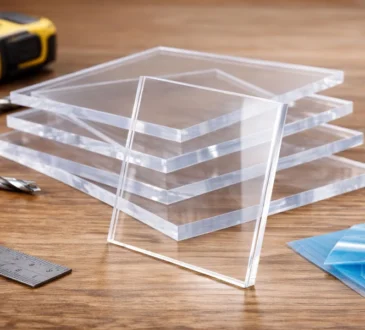
In recent years, the demand for safer and more sustainable soundproofing materials has led to a surge in the development of non-asbestos alternatives. Cork sheets have emerged as a popular choice due to their natural sound-absorbing properties and eco-friendly nature. These sheets are not only effective in reducing noise but also contribute to energy efficiency in homes. Other materials such as recycled cotton, wool, and cellulose are gaining traction for their ability to provide thermal insulation alongside soundproofing. Natural materials like cork demonstrate the potential for integrating acoustic treatment with environmental consciousness.
Comparative Effectiveness of Alternatives
When comparing the effectiveness of modern soundproofing materials to traditional asbestos, it’s essential to consider several factors. While asbestos was known for its durability and soundproofing capabilities, alternatives like mineral wool and fiberglass offer similar benefits without the associated health risks. These materials are lightweight, easy to install, and provide excellent noise reduction. Additionally, advancements in sound-absorbing materials have led to the use of innovative composites and smart materials that enhance performance while promoting sustainability. Recent advancements in materials technology are paving the way for safer and more efficient soundproofing solutions.
Environmental Impact of Alternative Materials
The shift from asbestos to alternative soundproofing materials is not just about health safety; it’s also about environmental responsibility. Many of the new materials are made from recycled or renewable resources, reducing the carbon footprint of construction projects. For instance, recycled denim insulation is not only a sustainable choice but also offers excellent sound absorption. Furthermore, the use of bio-based polymers and porous metals in soundproofing highlights the industry’s commitment to reducing environmental impact. As the construction industry continues to evolve, the integration of sustainable practices in soundproofing is becoming increasingly important.
Impact of Natural Disasters on Asbestos Soundproofing
Flood Damage and Asbestos Exposure
Floods can wreak havoc on homes, particularly those with asbestos materials. When water seeps into walls and floors, it can cause asbestos-containing materials to swell or break, releasing fibers into the air. This can pose a significant health risk, especially in older homes where asbestos was commonly used. Homeowners should be aware of the potential for asbestos exposure during flood cleanup efforts. In the 2019 flooding at Offutt Air Force Base in Nebraska, the dangers of asbestos exposure in military facilities were highlighted, showing how natural disasters can exacerbate such risks.
Earthquake Risks to Asbestos Materials
Earthquakes can cause cracks and structural damage, disturbing asbestos even when it is well-contained. The shaking can make asbestos materials friable, meaning they can easily crumble and release fibers. After an earthquake, it’s crucial to have your home inspected for asbestos contamination, particularly if it’s an older structure. This is vital because some damage might not be immediately visible, increasing the risk of exposure.
Storm Damage and Asbestos Containment
Severe storms, including hurricanes and tornadoes, can damage homes in ways that disturb asbestos-containing materials. High winds and flying debris can break roof shingles and siding, while heavy rains can lead to leaks that affect asbestos-laden insulation. In the aftermath of such storms, asbestos fibers can become airborne, posing a danger to anyone in the vicinity. This risk is not just hypothetical; exposure at Air Force bases has been linked to serious health issues, underscoring the importance of addressing asbestos risks after storm damage.
The Process of Asbestos Abatement in Soundproofing
Initial Assessment and Testing
Before any removal begins, a thorough assessment is crucial. This involves hiring a certified professional to conduct a visual inspection and collect samples for lab analysis. The results will indicate whether asbestos is present and guide the next steps. It’s essential to confirm the presence of asbestos before proceeding with abatement.
Removal and Disposal Procedures
Once asbestos is confirmed, the area must be prepared meticulously. The work zone is sealed off to prevent fiber release, creating a containment zone. This includes securing vents and installing a decontamination chamber. Workers in protective gear use hand tools and wet methods to carefully remove asbestos materials. These materials are double-bagged in thick plastic and disposed of at approved sites.
Post-Abatement Safety Measures
After removal, the area is cleaned with HEPA vacuums and retested to ensure no fibers remain. The air quality is checked to confirm it’s safe for reentry. Continuous monitoring might be necessary to ensure long-term safety. Additionally, encapsulating any remaining asbestos materials by covering them with a barrier can prevent future fiber release. This step is vital for maintaining a safe environment post-abatement.
The Future of Soundproofing Without Asbestos
Innovations in Soundproofing Technology
The landscape of soundproofing technology is rapidly evolving, especially as the industry moves away from asbestos. Modern advancements have led to the development of materials that not only match but often exceed the soundproofing capabilities of asbestos. These innovations focus on safety, sustainability, and efficiency. For instance, acoustic panels made from recycled materials are gaining popularity. They’re not only eco-friendly but also provide excellent noise reduction.
Trends in Building Materials
As the construction industry continues to innovate, there’s a noticeable shift towards materials that are both sustainable and effective. Fiber cement boards, for example, are becoming a staple in modern soundproofing due to their density and durability. These boards offer excellent soundproofing properties while being a cost-effective solution for green homes. The trend is clear: builders are prioritizing materials that ensure safety without compromising on performance.
Consumer Awareness and Education
With growing awareness about the dangers of asbestos, consumers are more informed than ever. This awareness is driving demand for safer, non-toxic alternatives. Homeowners are actively seeking out information and resources to make educated decisions about their building materials. Educational campaigns and resources are pivotal in guiding consumers towards making choices that prioritize health and safety. As a result, there’s a significant push towards transparency in material sourcing and manufacturing processes, ensuring that consumers have access to safe and reliable soundproofing options.
The Role of Asbestos in Historical Soundproofing Practices
Evolution of Soundproofing Techniques
In the early 20th century, soundproofing techniques began to evolve, largely driven by the need for quieter living spaces in increasingly urban environments. Asbestos emerged as a popular material in these efforts, thanks to its unique properties. It was not just valued for its fire-resistant qualities but also for its ability to dampen sound. Asbestos fibers were often mixed with other materials to create plasters and paints that could be applied to walls and ceilings. This mixture not only helped in sound reduction but also provided a durable surface that could withstand wear and tear.
Asbestos in Mid-20th Century Construction
During the mid-1900s, asbestos was a common component in many construction materials. It was used extensively in homes, schools, and office buildings. For instance, approximately 50% of U.S. schools built between 1950 and 1969 incorporated asbestos for its soundproofing capabilities. Asbestos was mixed into textured paints and plasters to create surfaces that could absorb and reduce sound transmission between rooms and floors. This practice was especially popular in multi-unit dwellings and public buildings where noise control was a priority.
Lessons Learned from Past Practices
The widespread use of asbestos in soundproofing during the mid-20th century has taught us important lessons. While the material was effective in reducing noise, the health risks associated with asbestos exposure far outweighed its benefits. Today, we understand that asbestos fibers, when disturbed, can cause serious respiratory diseases. This has led to stricter regulations and the development of safer alternatives for soundproofing. Homeowners and builders have become more aware of the importance of using materials that do not pose health risks, leading to a shift towards non-asbestos products in modern construction.
Further Insights