Springfield is within the brown recluse’s native range. The spiders often hide in undisturbed places, including closets, basements, and boxes left in storage. Most people never see one because it hides during the day and hunts at night. The fear it causes is greater than the harm it usually does, though a bite can cause serious injury in a small number of cases. Homeowners who find one often call Palisade Pest Control, which treats recluse problems in Springfield. Knowing how to recognize the spider and where it hides lowers the chance of a bite.
How to Tell a Brown Recluse From Other Spiders
Most brown spiders in a Springfield home are harmless, so correct identification comes first. A recluse has a few features that distinguish it:
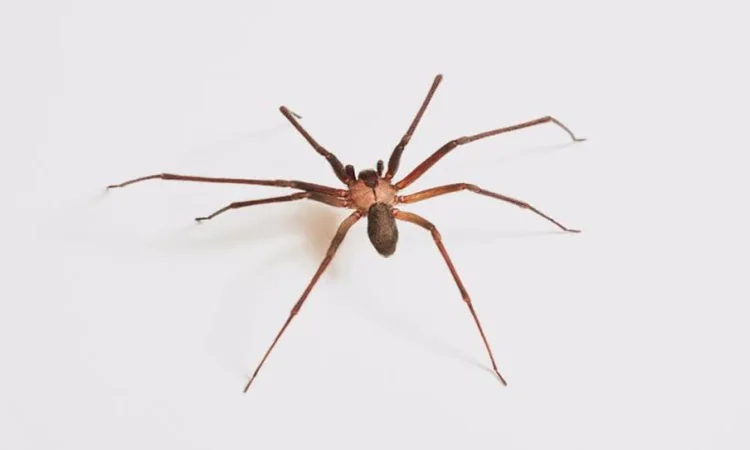
- Six eyes in three pairs. Most spiders have eight eyes. The recluse has six, set in three pairs, and this is the most reliable sign.
- Uniform color. The body and legs are a solid tan to brown, with no stripes, bands, or spots.
- Smooth legs. The legs have fine hairs, without spines or markings.
- Small body. The body reaches no more than three-eighths of an inch, about the size of a pencil eraser.
The violin marking behind the head is the common test, but it fades and varies between spiders, so the eyes are a better check.
Where Recluses Hide in a Home
The spider earns its name by staying out of sight. It shelters in quiet, undisturbed places and comes out at night to hunt. Common spots include storage boxes, stacks of clothing or shoes left on the floor, and the spaces under beds and furniture. Garages, basements, closets, and attics give it the dark, dry conditions it prefers. Bites often happen when a person puts on clothing or shoes a spider has crawled into, or rolls onto one in bed. Males roam more in late summer and fall as they search for mates, which is when people most often meet one indoors. Reducing clutter removes most of these hiding places.
What a Recluse Bite Does
Most recluse bites cause little more than redness and swelling and heal on their own. About one in ten leads to more serious tissue damage, and deaths are extremely rare, reported mainly in children. Many wounds blamed on recluse bites turn out to have other causes. The spider is not aggressive and bites only when trapped against skin. A Kansas study makes the point. Researchers collected 2,055 brown recluse spiders from one family’s home between June and November 2001, and no one in the household was bitten. Missouri homes can hold similar numbers without anyone being harmed.
What to Do About a Suspected Bite
Wash the area with soap and water, then hold a cold cloth against it. If the bite is on an arm or leg, prop it up when you can. Check the skin over the next few days. Blistering, dark patches, or a sore that starts to open need medical attention. Seek help sooner if the pain becomes severe or you start feeling ill. If you can safely collect the spider, even if it has been crushed, take it along to help with identification. Some sores thought to come from brown recluse bites are actually caused by bacterial infections, including MRSA. A doctor can assess the wound and help determine what’s causing it.
Lowering the Risk and Clearing an Infestation
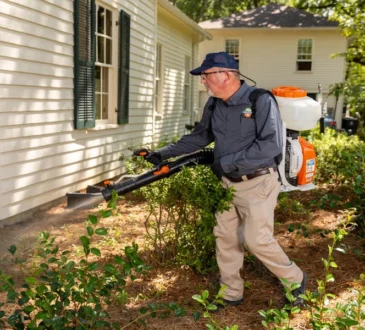
Keep seasonal clothes and spare bedding in sealed plastic bins. Before putting on shoes, gloves, or clothes left on the floor, check inside them. Pull the bed a little away from the wall and tuck in the bedding so it doesn’t trail onto the floor. Gaps around pipes, vents, and baseboards also give spiders places to move through the house, so seal those where possible. Sprays alone may leave brown recluses untouched, especially when they stay hidden in cracks and stored items. A pest professional can check likely hiding places, set glue boards to see where spiders are active, and use targeted treatments where needed.
Living With the Brown Recluse in Springfield
Brown recluse spiders live in the Springfield area, and finding one at home doesn’t automatically mean there’s an infestation. Keep clothes and stored items off the floor, clear out clutter where spiders can hide, and check dark corners now and then. Glue boards can help show whether spiders are still turning up and whether treatment has reduced their numbers.