The Ultimate Guide to Preventing Seasonal Pest Infestations in Your Home

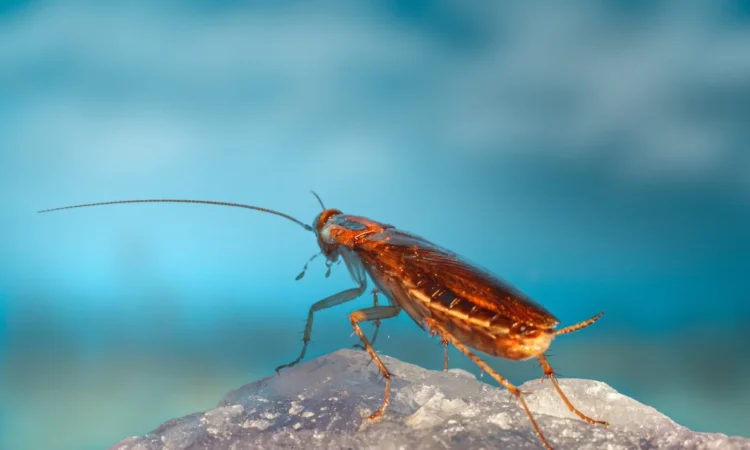
As the seasons change, so do the types of pests that threaten your home. From ants and spiders in the spring to rodents and cockroaches in the fall, seasonal fluctuations create ideal conditions for different infestations. Being proactive with prevention strategies can help homeowners avoid costly damage, health risks, and frustrating invasions.
This guide explores the most common seasonal pests, warning signs, and actionable steps to keep your home pest-free throughout the year.
Why Seasonal Pest Prevention Matters
Pests are more than just an annoyance. They can:
- Damage property: Termites, carpenter ants, and rodents chew through wood, insulation, wiring, and siding.
- Transmit disease: Fleas, ticks, and cockroaches carry bacteria, viruses, and allergens.
- Contaminate food: Pantry pests and rodents can ruin stored grains, cereals, and pet food.
- Impact comfort and quality of life: Frequent sightings, bites, and buzzing noises create stress and disrupt daily life.
Seasonal prevention allows you to address the root causes before infestations escalate, reducing the likelihood of extensive damage or costly remediation.
Common Seasonal Pests
Spring: Ants, Termites, and Stinging Insects
- Ants emerge as temperatures rise, often forming trails into kitchens and pantries.
- Subterranean termites become more active in warmer weather, attacking wooden structures.
- Wasps and hornets begin building nests; early removal prevents aggressive colonies later.
Summer: Mosquitoes, Flies, and Spiders
- Standing water from sprinklers or planters increases mosquito populations.
- Flies seek food sources indoors and outdoors, spreading bacteria.
- Spiders appear in corners, attics, and basements, attracted by abundant prey.
Fall: Rodents and Cockroaches
- Mice and rats move indoors seeking warmth and food as outdoor temperatures drop.
- Cockroaches become more active indoors due to cooler weather, contaminating food and surfaces.
Winter: Rodents and Stored Product Pests
- Rodents exploit cracks and entry points in walls and foundations to enter heated buildings.
- Pantry pests, such as weevils or moths, infest stored grains and dry goods in warm kitchens.
Early Warning Signs of Seasonal Infestations
Monitoring your home helps catch problems early:
- Droppings: Rodent feces or cockroach droppings in kitchens or storage areas.
- Damage: Gnaw marks, chewed wires, or damaged wood and insulation.
- Trails and nests: Ant trails, spider webs, or rodent nesting materials.
- Unusual odors: Musty or ammonia-like smells from rodents or accumulated droppings.
- Bites or stings: Fleas, ticks, and other pests can leave marks on family members or pets.
- Visible insects: Increased sightings of ants, flies, spiders, or flying stinging insects.
Early intervention prevents infestations from spreading and causing more serious problems.
Proactive Prevention Strategies
1. Seal Entry Points
- Inspect doors, windows, and foundation cracks for gaps or damage.
- Use weather stripping, caulking, and mesh screens to block insect and rodent entry.
2. Maintain Cleanliness
- Store food in sealed containers; clean up spills immediately.
- Dispose of garbage promptly and keep compost areas secure.
- Regularly vacuum and dust to remove potential insect habitats.
3. Control Moisture
- Fix leaking pipes, faucets, and roofs to prevent water buildup.
- Ensure proper drainage around the foundation and maintain gutters.
- Use dehumidifiers in basements or damp areas to reduce moisture-loving pests.
4. Yard and Landscaping Management
- Keep vegetation trimmed away from the home exterior.
- Remove debris, leaf piles, and wood stacks that may serve as hiding spots.
- Check for standing water in planters, birdbaths, and gutters.
5. Regular Monitoring
- Conduct monthly inspections of vulnerable areas, including attics, basements, kitchens, and storage spaces.
- Identify signs of pest activity before problems worsen.
Benefits of Professional Seasonal Pest Services
While homeowners can take preventive measures, seasonal pests often require professional expertise:
- Comprehensive inspections: Professionals detect hidden problems before visible signs appear.
- Targeted treatments: Safe, environmentally conscious solutions are applied to affected areas.
- Customized prevention plans: Seasonal strategies are tailored to your property and climate.
- Ongoing monitoring: Regular follow-ups ensure pests do not return.
Working with professionals ensures that both current infestations and potential seasonal risks are managed efficiently.
Why Choose a Coastal and Seasonal Pest Specialist
Experts familiar with seasonal pest patterns understand the specific challenges that coastal and temperate regions face. A local, experienced team can anticipate:
- Spring ant invasions and termite activity
- Summer mosquitoes and stinging insect growth
- Fall rodent migrations indoors
- Winter pantry infestations and rodent entry points
For homeowners seeking reliable seasonal protection, partnering with professionals guarantees long-term results.
Take Action Now
Preventing seasonal infestations protects your family, pets, and property while maintaining comfort and peace of mind. A proactive approach — combining proper home maintenance, cleanliness, moisture control, and professional inspections — ensures your home remains pest-free throughout the year.
For expert seasonal pest management and tailored strategies for every time of year, consider contacting Main Sail Pest. Their team provides inspections, treatment plans, and preventive solutions designed to protect your home from pests year-round.