How Texas Weather Shapes Roof Lifespan: A Homeowner’s Guide to Smarter Roof Decisions

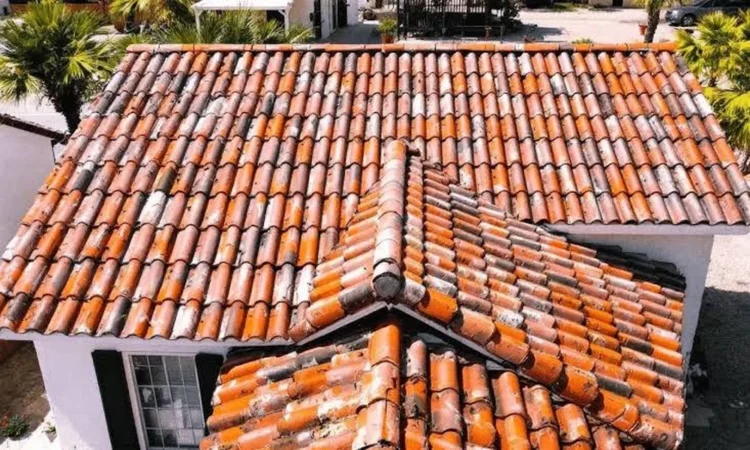
Your roof is the part of your home that takes the most punishment and gets the least attention. It faces blazing summer sun, sudden thunderstorms, high humidity, and the occasional hurricane-driven wind. For homeowners along the Gulf Coast, understanding how that climate wears on a roof is the first step toward avoiding expensive surprises.
Most roofing problems don’t arrive suddenly. They build up slowly, season after season, until a stain appears on a ceiling or a shingle ends up in the yard. Knowing what to watch for, and when to bring in help, can add years to your roof’s life. Many homeowners start by speaking with a local Stafford roofing contractor to get an honest read on their roof’s condition, but even before that call, there is plenty you can learn on your own.
This guide covers how Texas weather ages roofing materials, the warning signs worth catching early, and how to make sound decisions about repair versus replacement.
Why the Gulf Coast Climate Is Hard on Roofs
Southeast Texas combines several stressors that rarely occur together in other regions:
- Intense UV exposure: Months of strong sun dry out the asphalt in shingles, making them brittle and causing the protective granules to loosen.
- Heat cycling: Roof surfaces can climb well above 150°F on summer afternoons, then cool quickly after a storm. This constant expansion and contraction stresses materials and fasteners.
- Humidity and moisture: Damp air encourages algae, moss, and mildew, which hold moisture against the roof surface.
- Severe storms: Heavy rain, hail, and high winds can lift shingles, dent metal, and force water under flashing.
None of these factors is dramatic on its own. Combined over ten or fifteen years, they explain why a roof rated for 25 years may need attention much sooner here.
Typical Lifespans by Roofing Material
Different materials handle the local climate differently. The ranges below are general estimates, and actual results depend on installation quality, ventilation, and maintenance.
| Material | Typical Lifespan | Strengths | Common Concerns |
|---|---|---|---|
| 3-tab asphalt shingles | 12-18 years | Affordable, easy to repair | Wear quickly in heat |
| Architectural shingles | 18-25 years | Thicker, better wind resistance | Granule loss over time |
| Metal roofing | 40-60 years | Durable, reflects heat | Higher upfront cost, dents from hail |
| Clay or concrete tile | 40-50+ years | Excellent heat performance | Heavy, can crack under impact |
| Flat/low-slope membranes | 15-30 years | Suited to commercial buildings | Ponding water, seam failures |
Early Warning Signs You Shouldn’t Ignore
A roof usually sends signals before it fails. A quick visual check from the ground, ideally after a storm, can reveal a lot. Look for:
- Curling or cupping shingles. Edges that lift or bow upward indicate age or poor ventilation.
- Bald spots. Granules in your gutters or downspouts mean the shingles are shedding their protective layer.
- Cracked or missing shingles. Even a few gaps allow water to reach the underlayment.
- Rusted or lifted flashing. The metal around chimneys, vents, and valleys is a frequent leak point.
- Sagging areas. A dip in the roofline can signal trapped moisture or structural trouble.
- Interior clues. Brown ceiling stains, peeling paint near the roofline, or a musty attic smell often point to a slow leak.
If you notice more than one of these, it is worth having the roof professionally inspected rather than waiting for the next heavy rain to test it.
The Role of Ventilation and Reflectivity
Many homeowners focus on the shingles and overlook what’s happening underneath. A poorly ventilated attic can reach extreme temperatures, which cooks the roof deck from below and shortens shingle life. Proper intake and exhaust vents let hot, humid air escape, protecting both the roof and your energy bills.
Surface color and material matter too. Reflective, or “cool,” roofing products bounce more sunlight away rather than absorbing it. According to the ENERGY STAR guidance on cool roofs, these roofs work best in hot, sunny climates like the Southern U.S., especially on buildings with lower levels of roof insulation. For a Texas home with high summer cooling costs, that is a factor worth weighing when choosing materials.
Repair or Replace? A Practical Way to Decide
This is the question most homeowners struggle with. Instead of guessing, work through a simple framework.
Repair is usually reasonable when:
- Damage is isolated to one small area
- The roof is less than about 12-15 years old
- The underlying deck is dry and solid
Replacement tends to make more sense when:
- Leaks keep returning in different spots
- Shingles are widely curled, cracked, or bare
- The roof is near or beyond its expected lifespan
- Storm damage affects a large portion of the surface
Remember that repeated patching can cost more over time than a single replacement. Ask for a written estimate that separates the cost of repairs from the cost of a full new roof so you can compare them clearly.
Questions Worth Asking Before Any Roof Work
Whether you’re dealing with minor repairs or a full replacement, a few questions help you separate careful professionals from careless ones.
Are they licensed and insured? Insurance protects you if a worker is injured or your property is damaged during the job.
What does the warranty cover? Manufacturer warranties cover materials, while workmanship warranties cover installation. They are not the same thing.
How will they handle the old roofing? A thorough tear-off lets crews inspect the deck for hidden rot, while an overlay can hide problems.
What is the timeline and cleanup plan? Clear communication about schedule, weather delays, and debris removal prevents frustration.
For broader guidance on what to expect from a quality installation, the National Roofing Contractors Association is a respected industry resource, and its materials can help you understand professional standards before you sign anything.
Smart Maintenance Habits That Pay Off
Small, regular efforts protect a roof far better than emergency repairs do.
- Clean gutters twice a year. Clogged gutters push water back under the roof edge.
- Trim overhanging branches. Limbs scrape shingles and drop debris that traps moisture.
- Inspect after major storms. Check for lifted shingles, dents, and debris even if nothing looks wrong inside.
- Remove algae growth gently. Avoid pressure washing, which strips granules and voids some warranties.
- Keep records. Photos and dated notes make insurance claims far smoother if storm damage occurs.
Thinking About Insurance and Storm Damage
In hurricane-prone areas, roof condition can affect both coverage and claims. Insurers often look at roof age and condition when setting terms, and documentation of pre-storm condition can help support a claim. If a storm does cause damage, photograph everything before temporary repairs, such as tarping, and keep receipts for those costs. Review your policy’s deductible, particularly any separate wind or hail deductible, so you aren’t caught off guard.
The Bottom Line
A roof’s lifespan is shaped far more by climate, ventilation, installation quality, and maintenance than by the number printed on the warranty. In a region with intense sun, heavy humidity, and powerful storms, paying attention early is the most affordable strategy available.
Learn the warning signs, schedule periodic inspections, ask thoughtful questions before hiring anyone, and keep up with simple upkeep. Those habits protect your home, your belongings, and your budget, and they turn roofing from a source of stress into a predictable, well-managed part of owning a home.