It is January, the windows have been shut for months, and someone is searing steak for dinner. Within minutes, a gray haze drifts toward the ceiling, the smoke alarm starts shrieking, and the whole house smells like dinner for two days. A range hood was humming the entire time. It just was not doing much.
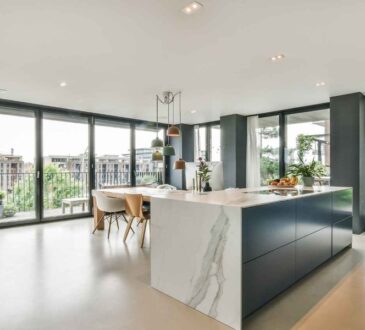
That scene is common in older homes, and remodeling is when it can finally be fixed. For homeowners looking into kitchen remodeling in De Pere, the conversation usually starts with cabinets, countertops and layout. Ventilation rarely makes the first list. Yet the hood and the ductwork behind it decide how the new kitchen smells, how clean the cabinets stay, and how healthy the air feels in a house that stays sealed up for half the year.
The good news is that ventilation is cheapest to get right when the walls and ceiling are already open. Once the new backsplash is tiled and the upper cabinets are hung, rerouting a duct becomes a far bigger job.
Why Cooking Air Deserves Attention
Cooking puts more into the air than most people realize. Grease droplets, steam, fine particles and, with gas burners, combustion gases all rise off the cooktop. Researchers at Lawrence Berkeley National Laboratory found that many homes that cook regularly with gas can reach pollutant levels that would be illegal outdoors. Electric and induction cooking avoid the combustion gases, but browning, frying and roasting still produce smoke and particles.
In mild climates, an open window helps clear the air. In a cold climate, nobody opens a window in February. The hood is the only exit route, so it has to work.
What Separates a Good Hood From a Decorative One
Where the Air Goes
The biggest dividing line is whether the hood sends air outside. Recirculating hoods pull air through a filter and blow it back into the room. They catch some grease, but steam, heat and gases stay in the kitchen. The over-the-range microwave falls into the same trap in most homes, and its shallow front edge misses much of the smoke from the front burners.
A ducted hood that vents outdoors is the standard to aim for. The EPA’s guidance on improving indoor air quality while cooking puts exhausting air to the outdoors at the top of its list.
Size and Shape
Fan power gets all the marketing attention, but the hood’s shape matters just as much. A powerful fan in a small hood still lets smoke roll past the edges. A few guidelines help:
- Choose a hood at least as wide as the cooktop, and a few inches wider when possible.
- Pick a deeper hood that reaches over the front burners, not just the back ones.
- Keep the mounting height within the maker’s range, usually somewhere around 24 to 30 inches above the cooking surface.
- Expect an island hood to need more power than a wall hood, since there is no wall to guide rising air.
Noise
A loud hood is a hood nobody turns on. Check the sone rating at the low and medium speeds, not just the top one. Hoods with remote or inline blowers move the motor away from the kitchen, so the room stays calm even at higher speeds.
The Duct Run Matters as Much as the Hood
A premium hood connected to a poor duct performs like a cheap one. Remodels open up chances to route the duct properly, and a few details make a big difference.
Keep it short and smooth. Rigid metal duct with smooth walls moves air far better than flexible foil duct. Every elbow adds resistance, so the straightest path to the outside wins.
Match the size. The duct should match the hood’s outlet. Shrinking an 8 inch outlet down to fit an old 6 inch duct chokes the fan.
End it outside, not in the attic. Some older kitchens vent into the attic or a soffit cavity. That dumps greasy, moist air right where it can feed mold and frost on the roof deck. The duct should end at a proper wall or roof cap with a damper.
Plan for the cold. Where a duct passes through an unheated space, insulating it keeps warm, moist exhaust from condensing inside. A tight backdraft damper keeps winter air from pouring back down the duct when the fan is off.
The Makeup Air Question
Here is the part many remodels miss. Every cubic foot of air a hood pushes outside has to be replaced from somewhere. In a drafty old house, it sneaks in through gaps. In a tighter, newer, or well-insulated home, a strong hood can depressurize the whole house.
That becomes a safety concern in homes with older gas water heaters or furnaces that vent by natural draft. A strong hood can pull exhaust gases back down their flues and into the basement. Many building codes require a makeup air system once a hood passes a certain airflow, often 400 cubic feet per minute, and local inspectors can confirm the rule where you live. Makeup air systems bring in fresh outside air, sometimes tempered so it is not freezing, through a damper that opens when the hood runs. A working carbon monoxide alarm near any gas appliance is wise regardless.
Habits That Get the Most Out of Any Hood
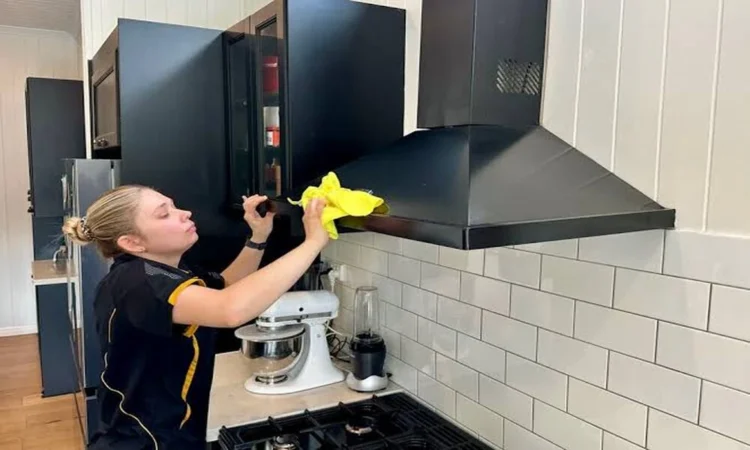
Even the best setup only helps when it runs. The EPA suggests turning the hood on whenever you cook and leaving it running for 10 to 20 minutes after you finish. Cooking on the back burners when you can lets the hood capture more, since those burners sit right under the strongest draw. Grease filters need regular cleaning too, because a clogged filter quietly cuts airflow week by week.
Building Ventilation Into the Plan
When a kitchen remodel is still on paper, ventilation is easy to solve. Choosing the cooktop and the hood together, planning the duct path before the cabinets are ordered, and asking early about makeup air saves both money and frustration later. It also shapes the look of the room, since a vent hood is often the focal point above the range.
A new kitchen should feel as good as it looks. Clean cabinets, fresh air after a big holiday meal, and no lingering smell of last night’s fish come down to air going where it should. Treating the hood as a working system, not a decorative box, is what makes that possible.