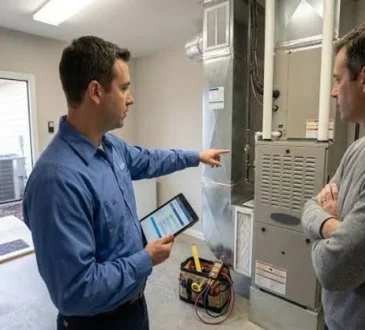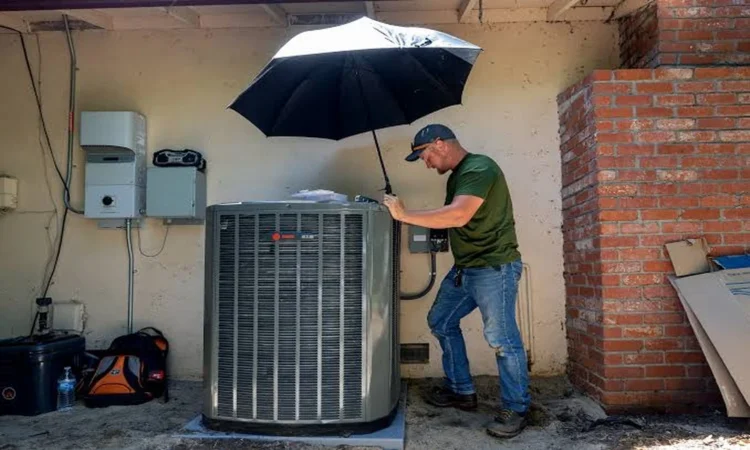
The installation crew has packed up, the old condenser is gone, and cool air is finally moving through the vents. Most homeowners assume the job ends there. In California it does not. Days later a stranger often shows up with a fan that bolts into a doorway, a set of pressure gauges and a tablet full of forms. That visitor is a third party rater, and their verdict decides whether the new system is officially finished.
This extra step surprises people, yet it is one of the better consumer protections in the state’s building rules. A brand new air conditioner can be badly charged, choked by leaky ducts or mismatched with its indoor coil, and still blow cold air on day one. The problems show up later as higher bills, shorter equipment life and rooms that never quite cool.
Anyone weighing a Roseville ac installation will find the process easier to judge once the whole trail is mapped out. The team at all1mechanical.com, a licensed local contractor whose technicians go through a five year training and apprenticeship program, handles residential and commercial cooling throughout Placer and Sacramento Counties, and the checkpoints described below apply to every installer working in the region, large or small.
The Paper Trail Starts Before the Old Unit Leaves
A legitimate replacement begins at the building department, not in the driveway. California treats swapping out a condenser, furnace, air handler or indoor coil as an alteration under its energy code, which means a permit is required. Alongside the permit application, the contractor files a certificate of compliance describing what equipment is going in and which field tests will follow.
That early paperwork matters because it locks in expectations. If the contractor plans to replace a long run of ductwork, for instance, that changes which tests apply. Homeowners who are told a permit is unnecessary, or that skipping it will save a few hundred dollars, should treat that as a warning sign. Unpermitted work can complicate insurance claims, delay a home sale when a buyer’s inspector notices a newer unit with no record, and leave you with no independent check on the quality of the install.
Matching the pieces
The permit file also lists model numbers. Outdoor condensers and indoor coils are rated as matched pairs, and the efficiency printed on the brochure only holds if the combination installed is the combination tested. Swapping in a cheaper coil at the last minute can quietly drop the system’s real efficiency below what you paid for.
What the Crew Should Measure Before Leaving
Good installers test their own work long before an outside rater arrives. A new system in Placer County will face afternoons above 100 degrees, so getting the details right on day one is worth the extra hour.
The essentials include pulling a deep vacuum on the refrigerant lines to remove moisture and air, confirming the refrigerant charge with actual readings instead of relying on the factory fill, and measuring airflow across the indoor coil. Too little airflow can freeze the coil, while too much leaves the house cool but clammy. The crew should also check static pressure in the ductwork, since an old duct system that was barely adequate for the previous unit may strangle a newer, more efficient one.
Electrical work deserves the same attention. A properly sized disconnect near the outdoor unit, correct breaker size and tight connections all reduce the risk of nuisance trips on the hottest days, when the system is working its hardest.
Before signing any contract, it helps to ask a handful of direct questions.
- Will a permit be pulled, and will the HERS verification be scheduled as part of the price?
- Was a load calculation done for this house, or is the new unit simply matching the old one’s size?
- Are the outdoor unit and indoor coil a rated matched pair?
- How will the existing ductwork be inspected, and what happens if it fails a leakage test?
- What refrigerant does the new equipment use, and are the line sets being replaced or reused?
The answers reveal a great deal about how an installer works, and a contractor who welcomes these questions is usually one who expects to pass inspection.
The Rater’s Visit
The independent rater is certified through a state approved provider and works separately from the contractor. The California Energy Commission’s guidance on the HERS program explains how this verification works and confirms that homeowners can choose their own rater if they prefer.
Duct leakage is often the headline test. The rater seals the supply registers and return grilles, pressurizes the duct system and measures how much air escapes. In older Roseville and Citrus Heights homes, where ducts frequently run through scorching attics, even modest leaks waste a surprising share of the cooling you pay for. Leaky ducts can also pull dusty attic air into living spaces, which matters during wildfire smoke season.
Refrigerant charge and airflow verification usually come next, depending on the project. If the system fails, the contractor returns to fix it and the rater tests again. Once it passes, the results are registered, and the building inspector can close out the permit. Homeowners can ask to see those completed verification forms, and keeping copies with the warranty paperwork is a smart habit.
Equipment Rules That Shape the Choices
Two broader changes now influence every new air conditioner sold in California.
The first is efficiency. California falls in the federal Southwest region, which carries a higher minimum SEER2 rating than much of the country and an added EER2 standard focused on performance during peak heat. That second number deserves attention in the Sacramento Valley, because it reflects how the unit behaves at the exact temperatures that drive summer bills.
The second is refrigerant. New split systems built for the U.S. market have moved away from R-410A toward lower impact refrigerants such as R-454B and R-32. These newer refrigerants are classified as mildly flammable, so installation follows updated safety practices, and some systems include leak detection sensors. For homeowners, the practical takeaway is that a new condenser usually cannot be paired with an older coil designed for R-410A, which often makes a full matched replacement the cleaner choice.
Heat pumps are also worth considering at this stage. In a region with mild winters, a heat pump can handle both cooling and most heating, and the permit and verification process is nearly identical.
A Folder Worth Keeping
When everything is done right, the homeowner ends up with more than a cooler house. There is a closed permit, registered verification results, matched model numbers and a warranty registration, all of which carry weight when filing a warranty claim, refinancing or selling. That folder is quiet proof that the system was installed to perform the way its ratings promise.
The inspection trail can feel like bureaucracy when all you want is relief from a July afternoon. In practice it is the step that turns a new air conditioner from a promising piece of equipment into one that has actually shown it can do its job, and in a valley where summer heat arrives every year without fail, that confirmation is worth the extra visit.