

It usually happens within a day or two. The hail has barely melted off the driveway in Conroe or Magnolia when a pickup with an unfamiliar plate rolls up and someone offers a free inspection. Plenty of homeowners never think about who fixes their roof until that moment arrives, which is exactly why it pays to already know a roofing company in Montgomery County before the sky turns green. Whoever you end up hiring, the way they behave across a handful of ordinary moments will tell you far more than any yard sign.
Here’s what to watch for at each of those moments.
The First Conversation
Texas has no state license for residential roofers. Anyone with a ladder and a truck can call themselves a contractor, and after a big storm, many do. That makes the first phone call or doorstep chat more revealing than most people realize.
A solid contractor will usually give you a local office address you can drive past, not just a cell number. They’ll mention how long they’ve worked in the area and won’t rush you toward signing anything on the spot. Some carry voluntary credentials that show a commitment beyond the minimum, such as membership in the Roofing Contractors Association of Texas or manufacturer certifications from shingle makers like GAF or CertainTeed. Those programs aren’t legally required, which is part of why they mean something.
Be wary if you hear any of these.
- An offer to cover, waive or rebate your insurance deductible
- A claim that they can handle your claim or speak for you with the insurer
- Pressure to sign a contract before an adjuster has even seen the roof
- A price that expires tomorrow
The first two aren’t just red flags. Waiving a deductible is illegal in Texas, and contractors are prohibited from acting as public adjusters on properties they work on. Both practices tend to come paired with inflated bills or cut corners later.
The Inspection Visit
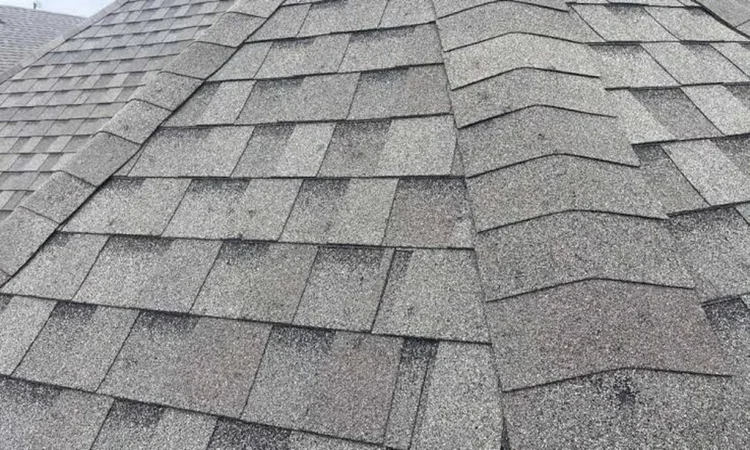
A real inspection takes time. The inspector should walk the roof, check the attic for daylight or water staining, and photograph what they find. Hail damage on asphalt shingles often shows up as soft bruises where granules have been knocked loose, and it’s easy to miss from the ground. Wind damage looks different, with creased or lifted tabs and missing shingles along ridges and edges.
Ask to see every photo, and ask which ones show storm damage versus ordinary aging. Honest inspectors will tell you when a roof is simply old rather than storm damaged, even if that means a smaller job for them. One reviewer on the client’s own site described a crew spotting where a previous roofer had botched the work, which is the kind of candor you want.
The Estimate
A useful estimate reads like a recipe, not a lump sum. Look for these line items, because each one affects how long the new roof lasts in this climate.
- Removal of the old roofing down to the decking, not a layover
- A per sheet price for replacing rotted or soft decking, since nobody knows the count until the old roof is off
- The underlayment type, with synthetic generally outlasting old felt
- New drip edge, flashing at walls and chimneys, and new pipe boots
- Ventilation, including ridge vents and intake at the soffits, which matters a lot when attic temperatures here can climb well past what’s comfortable to stand in
- The exact shingle or metal product, including brand, line and color
If you’re weighing impact resistant shingles, call your insurer before deciding. Class 4 rated roofs can earn premium discounts with some Texas carriers, and the savings sometimes close much of the price gap.
Reading the Insurance Side
Two policy details catch Montgomery County homeowners off guard more than anything else. Many Texas policies now carry a wind and hail deductible set as a percentage of dwelling coverage rather than a flat amount, so a 2 percent deductible on a $350,000 home means $7,000 out of pocket. Some policies also pay roofs on an actual cash value basis, meaning an older roof gets depreciated before any check arrives.
Pull out your declarations page before a storm hits, not after. Also note any deadline for filing claims, since many policies set a limited window after the date of loss.
The Contract
When insurance money is involved and the job runs $1,000 or more, Texas law requires the contract to include a notice stating that you are responsible for paying your deductible. If that notice is missing, pause and ask why.
Beyond that, a good contract spells out the start window, cleanup expectations, who pulls any permit, and both warranties. The manufacturer warranty covers the materials. The workmanship warranty covers the installation, and it’s only worth something if the company will still be around to honor it. In The Woodlands and other master planned communities, confirm who handles architectural approval for any change in color or material, since HOA review can delay a start date.
Keep the deposit reasonable. Large upfront payments to an unfamiliar contractor are how storm season scams usually end.
Install Day and the Days After
On a typical home, a tear off and replacement often wraps up in a day or two. Expect noise, a magnetic sweep of the yard for nails, and a dumpster or trailer in the drive. Stay reachable in case the crew finds rotten decking that needs approval.
Before you hand over the final payment, walk the property and ask for three things.
- Photos of the decking and underlayment before the shingles went on
- Final lien releases showing the contractor has paid suppliers and crews
- Written warranty documents, including any manufacturer registration
That lien release matters more than people think. In Texas, an unpaid supplier can place a lien on your property even if you paid your roofer in full.
What Stays With the House
A roof protects everything under it for fifteen or twenty years, sometimes longer with metal. The storm that damaged it lasted twenty minutes. The choice of who fixes it lasts much longer, so it’s worth making slowly and with your eyes open. If anyone offers to game your deductible, you can report it to the Texas Attorney General’s consumer protection line at 800-621-0508.

